


The digital marketing landscape is experiencing unprecedented transformation in 2025. With artificial intelligence reshaping how brands connect with customers and search engines evolving their algorithms, marketers need evidence-based strategies to stay competitive. This comprehensive guide explores the most significant digital marketing trends and SEO best practices that will define success in 2025 and beyond.
Key Digital Marketing Statistics for 2025
Before diving into specific trends, let’s examine the data driving these changes:
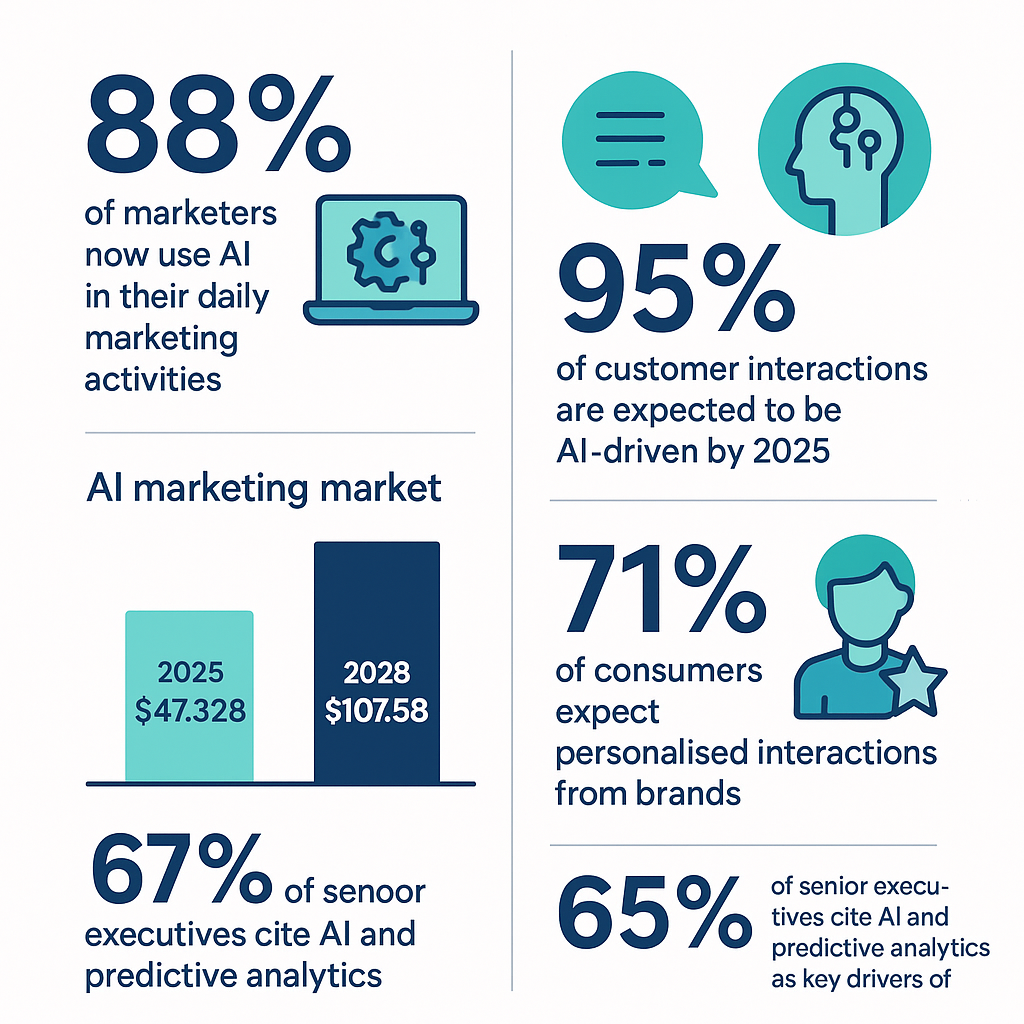
- 88% of marketers now use AI in their daily marketing activities.
- 95% of customer interactions are expected to be AI-driven by 2025.
- The AI marketing market is valued at $47.32 billion in 2025, projected to reach $107.5 billion by 2028.
- 71% of consumers expect personalised interactions from brands.
- 65% of senior executives cite AI and predictive analytics as key drivers of growth.
These statistics reveal a clear direction: artificial intelligence and personalisation are no longer optional—they’re essential for digital marketing success.
The Evolution of Search Engine Optimisation in 2025
AI-Powered Search Results Transform SEO Strategy
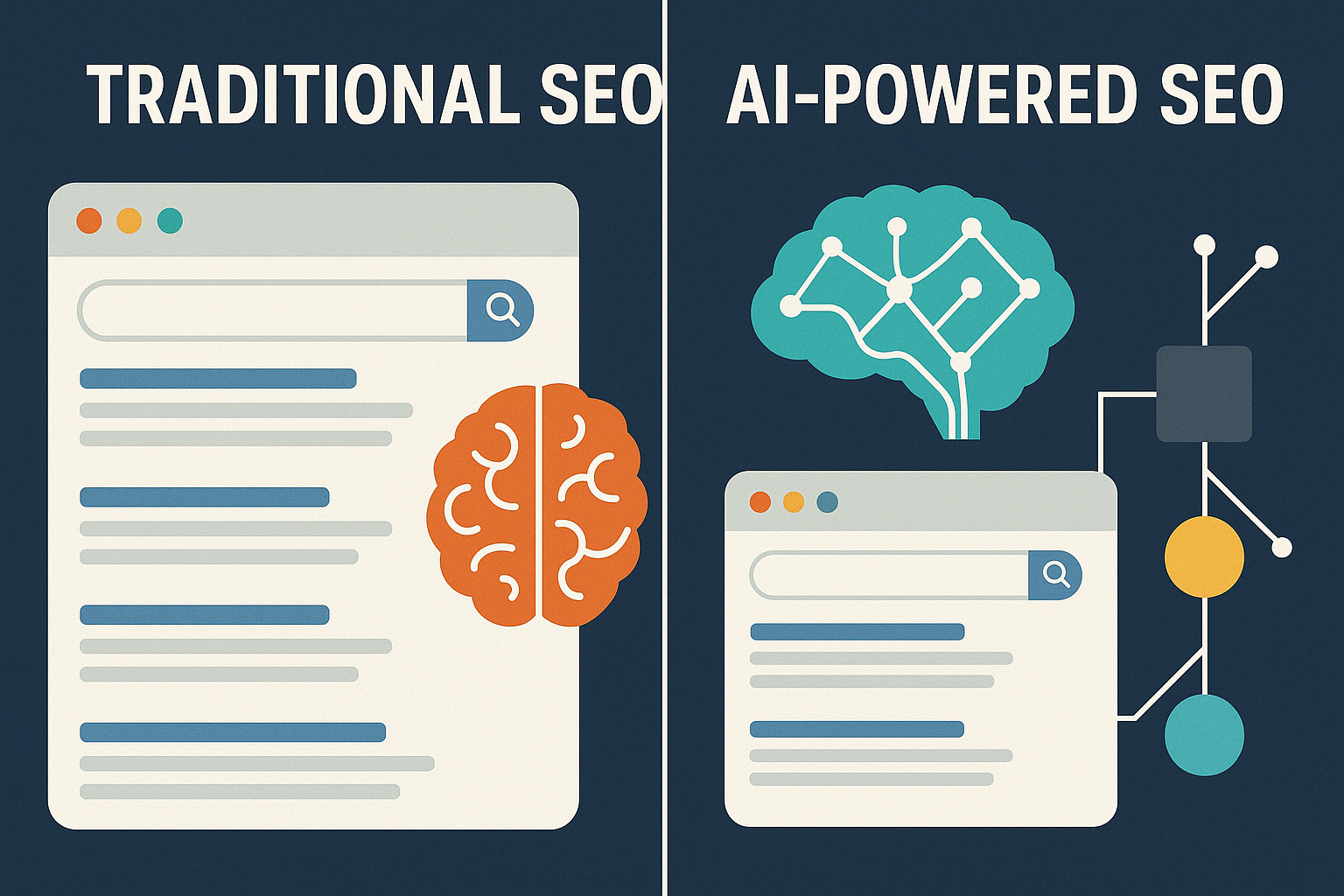
Search engine optimisation has fundamentally changed with the introduction of AI-powered search results. Google’s AI overviews and similar features from other search engines now prioritise direct answers over traditional blue links. This shift requires marketers to optimise content for featured snippets and AI-generated responses.
SEO Best Practices for AI Search:
- Structure content to answer specific questions directly.
- Implement comprehensive schema markup for better AI understanding.
- Focus on topic clusters rather than individual keyword targeting.
- Create FAQ sections that address common user queries.
- Optimise for semantic search and user intent.
Core Web Vitals and Technical SEO Remain Critical
Despite AI advancements, technical SEO fundamentals continue to be key ranking factors. Core Web Vitals—measuring page loading speed, interactivity, and visual stability—have become even more important for search engine rankings and user experience.
Essential Technical SEO Metrics for 2025:
- Largest Contentful Paint (LCP): Target under 2.5 seconds.
- Cumulative Layout Shift (CLS): Keep under 0.1.
- First Input Delay (FID): Optimise for under 100 milliseconds.
- Mobile-first indexing: Ensure responsive design across all devices.
Voice Search and Visual Search Optimisation
Voice search continues growing as smart speakers and mobile voice assistants become ubiquitous. Meanwhile, visual search technology is advancing rapidly, creating new opportunities for brands to connect with customers.
Voice Search SEO Strategies:
- Optimise for conversational, long-tail keywords.
- Create content that answers natural language queries.
- Focus on local SEO for “near me” voice searches.
- Implement structured data for better voice search visibility.
Visual Search Optimisation:
- Use high-quality, optimised images with descriptive alt text.
- Implement image schema markup.
- Create visual content that addresses user search intent.
- Optimise product images for e-commerce visual search.
AI Marketing Trends Reshaping Customer Engagement
Hyper-Personalisation at Scale
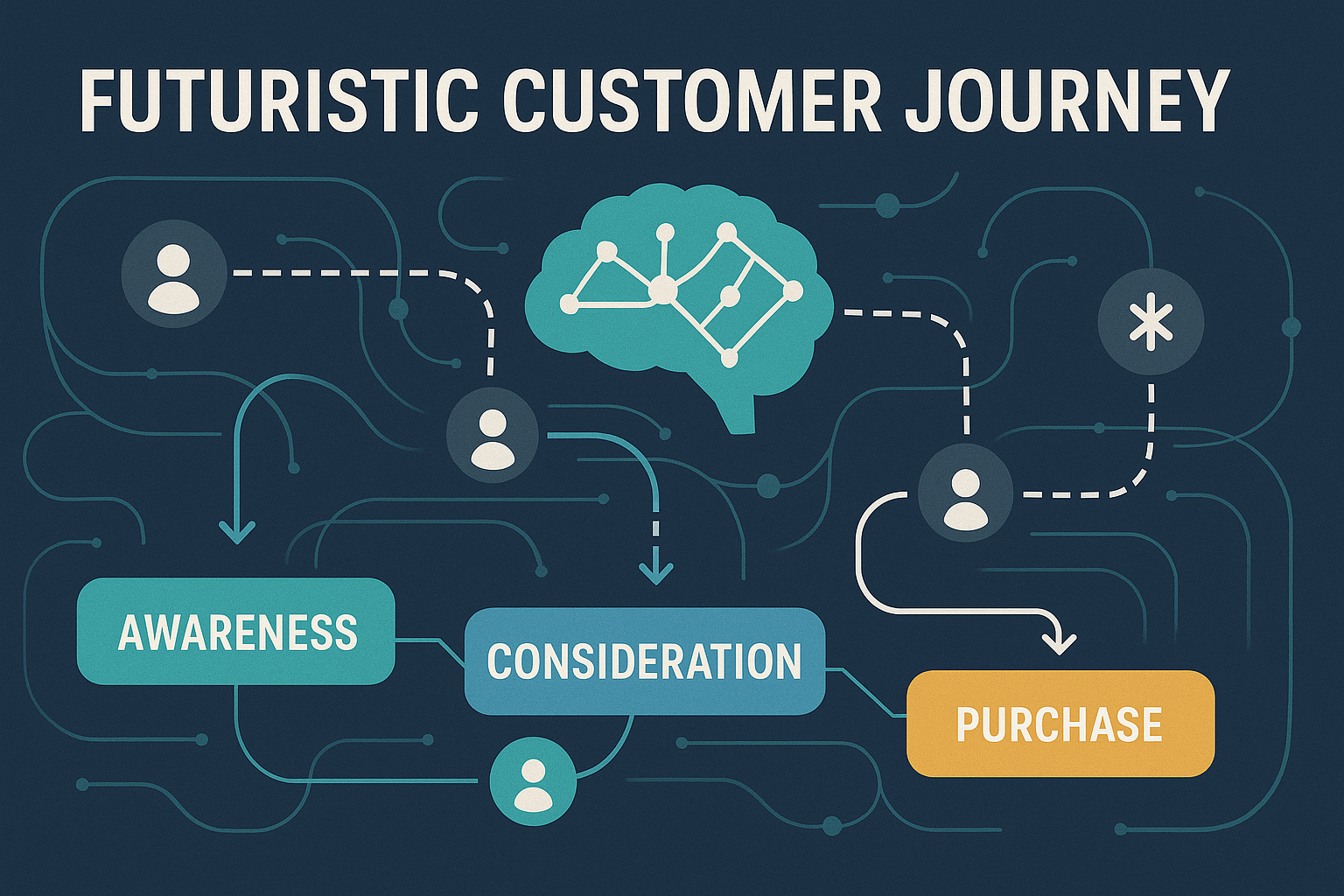
Artificial intelligence enables unprecedented levels of personalisation in digital marketing. Brands can now deliver individualised experiences across every touchpoint, from email marketing to website content, driving higher engagement rates and conversion optimisation.
AI Personalisation Strategies:
- Implement machine learning algorithms for customer segmentation.
- Use predictive analytics for content recommendations.
- Deploy dynamic website content based on user behaviour.
- Create personalised email campaigns using AI-driven insights.
AI-Assisted Content Marketing
Artificial intelligence tools are revolutionising content creation. Marketers most commonly use AI for copywriting across email marketing, organic search content, and social media management, allowing teams to focus on strategy while AI handles routine tasks.
AI Content Marketing Applications:
- Generate blog post outlines and first drafts.
- Create A/B test variations for email subject lines.
- Develop social media content calendars.
- Optimise meta descriptions and title tags for SEO.
- Personalise website copy based on visitor demographics.
First-Party Data and Privacy-Compliant Marketing
With the decline of third-party cookies, first-party data collection has become crucial for supporting effective digital marketing campaigns. AI helps enrich and analyse this data while respecting user privacy preferences.
First-Party Data Strategies:
- Build robust customer data platforms (CDPs).
- Implement privacy-compliant tracking methods.
- Use AI to enhance existing customer profiles.
- Create value exchanges for data collection.
- Develop zero-party data collection strategies.
Content Marketing Trends for Maximum Engagement
Video SEO Dominance
Video content continues to dominate search results and social media platforms. Search engines increasingly favour multimedia content, making video SEO optimisation essential for digital marketing success.
Video Marketing Optimisation:
- Create engaging video thumbnails and descriptions.
- Include video transcripts for accessibility and SEO.
- Use video schema markup for rich snippets.
- Optimise video titles with target keywords.
- Implement interactive video elements for higher engagement.
Community-Driven Marketing
Brands are shifting focus toward community building and authentic engagement. Users increasingly turn to forums like Reddit and Quora for genuine recommendations, making community marketing a vital component of digital strategy.
Community Marketing Strategies:
- Engage authentically in relevant online communities.
- Create branded communities around shared interests.
- Leverage user-generated content for social proof.
- Build relationships with community influencers.
- Monitor brand mentions across forums and social platforms.
User Experience Optimisation for Better Conversions
Page Speed and Performance Optimisation
Website performance directly impacts both search engine rankings and user satisfaction. With decreasing attention spans, page loading speed has become a critical factor in conversion rate optimisation.
Performance Optimisation Techniques:
- Implement lazy loading for images and videos.
- Optimise server response times and hosting infrastructure.
- Use content delivery networks (CDNs) for faster global loading.
- Minimise CSS and JavaScript file sizes.
- Optimise images without sacrificing quality.
Interactive and Dynamic Content Experiences
Static content is being replaced by interactive experiences that engage users and provide personalised value. This trend aligns with the broader shift toward user-centric digital marketing strategies.
Interactive Content Ideas:
- Create calculators and assessment tools.
- Implement dynamic product recommendations.
- Use interactive videos and augmented reality experiences.
- Develop personalised quizzes and surveys.
- Build interactive infographics and data visualisations.
Local SEO and Geographic Targeting Strategies
Hyperlocal Marketing Approaches
Local search engine optimisation remains crucial, especially for businesses with physical locations or service areas. The rise of “near me” searches and location-based services creates opportunities for targeted local marketing campaigns.
Local SEO Best Practices:
- Optimise Google My Business profiles completely.
- Encourage and respond to customer reviews.
- Create location-specific landing pages.
- Use local keywords in content and meta tags.
- Build local citations and directory listings.
Mobile-First Marketing Strategies
Mobile User Experience Optimisation
Mobile devices account for most of the internet traffic, making mobile-first design essential for digital marketing success. This trend extends beyond responsive design to encompass the entire mobile user journey.
Mobile Marketing Optimisation:
- Design for touch interactions and smaller screens.
- Implement accelerated mobile pages (AMP) where appropriate.
- Optimise forms for mobile completion.
- Use mobile-specific call-to-action buttons.
- Test website functionality across multiple devices.
Social Media Marketing Evolution
Platform-Specific Content Strategies
Each social media platform requires tailored content approaches. Understanding platform algorithms and user behaviours enables more effective social media marketing campaigns.
Platform-Specific Strategies:
- LinkedIn: Focus on professional insights and thought leadership.
- Instagram: Prioritise visual storytelling and behind-the-scenes content.
- TikTok: Create authentic, trend-based short-form videos.
- Twitter/X/X: Share real-time updates and engage in conversations.
- Facebook: Build communities and share longer-form content.
Email Marketing Innovation
AI-Powered Email Campaigns
Email marketing is still one of the highest ROI digital marketing channels. Artificial intelligence enhances email campaigns through better segmentation, personalisation, and send-time optimisation.
Advanced Email Marketing Techniques:
- Use predictive analytics for best send times.
- Implement dynamic content based on subscriber behaviour.
- Create automated drip campaigns with AI optimisation.
- Personalise subject lines and content using machine learning.
- A/B test email elements continuously for improvement
Measuring Digital Marketing Success in 2025
Key Performance Indicators (KPIs) for Modern Marketing
Success measurement in digital marketing has evolved beyond traditional metrics. Today’s marketers focus on comprehensive analytics that prove real business impact.
Essential Digital Marketing Metrics:
- Customer lifetime value (CLV) and retention rates.
- Conversion rate optimisation improvements.
- Core Web Vitals and page experience scores.
- AI-generated content performance comparisons.
- Community engagement and brand sentiment analysis.
- First-party data collection and utilisation rates.
Implementation Roadmap for 2025 Digital Marketing Success
Immediate Actions (Next 30 Days)
Start your digital marketing transformation with these high-priority tasks:
- Audit current AI tools and identify gaps in your marketing technology stack.
- Conduct Core Web Vitals assessment and create a technical optimisation roadmap.
- Review first-party data collection methods and ensure privacy compliance.
- Analyse current content performance and identify AI optimisation opportunities.
- Evaluate community engagement strategies and platform presence.
Medium-Term Goals (Next 3 Months)
Build momentum with these strategic implementations:
- Implement AI-powered personalisation across email and website experiences.
- Develop a comprehensive video content strategy with proper SEO optimisation.
- Create topic cluster content architecture for improved search visibility.
- Build an authentic community engagement strategy for forums and social platforms.
- Optimise conversion funnels using data-driven insights and A/B testing.
Long-Term Strategy (6+ Months)
Transform your digital marketing approach with these comprehensive changes:
- Fully integrate AI across all marketing workflows and customer touchpoints.
- Develop proprietary first-party data platforms for competitive advantage.
- Create omnichannel personalised customer experiences across all interactions.
- Build sustainable brand authority through consistent, high-quality content.
- Establish thought leadership in your industry through innovative marketing approaches.
Future-Proof Your Digital Marketing Strategy
Staying Ahead of Algorithm Changes
Search engine algorithms and social media platform changes continue evolving rapidly. Successful marketers build adaptable strategies that can weather these changes while maintaining performance.
Algorithm-Resilient Strategies:
- Focus on creating genuine value for users.
- Diversify traffic sources beyond single platforms.
- Build strong brand recognition and direct traffic.
- Maintain high content quality and user experience standards.
- Stay informed about industry updates and best practices.
Emerging Technologies to Watch
Several emerging technologies will likely impact digital marketing in the coming years:
- Augmented Reality (AR) and Virtual Reality (VR) marketing experiences.
- Blockchain technology for transparent advertising and customer data management.
- Internet of Things (IoT) integration for contextual marketing opportunities.
- 5G connectivity enabling richer mobile experiences.
- Voice commerce optimisation for smart speaker purchases.
Conclusion: Embracing the Future of Digital Marketing
Digital marketing and SEO in 2025 require a balanced approach that leverages artificial intelligence while maintaining authentic human connections. Success comes from understanding that technology should enhance, not replace, genuine customer relationships.
The most successful marketers will be those who embrace AI-powered tools while focusing on creating valuable, personalised experiences for their audiences. By implementing the strategies outlined in this guide—from technical SEO optimisation to community-driven marketing—businesses can build sustainable competitive advantages in an increasingly complex digital landscape.
Remember that digital marketing is not about chasing every new trend, but about understanding your audience deeply and using the right combination of technology and creativity to serve their needs effectively. Start with the immediate actions outlined above, build toward your medium-term goals, and keep your long-term vision focused on creating lasting customer relationships that drive business growth.
The future of digital marketing is bright for those willing to adapt, learn, and put their customers at the centre of every strategy. Use this guide as your roadmap to navigate the exciting opportunities that 2025 and beyond will bring to the digital marketing landscape.