


Most businesses treat SEO and web development as separate disciplines—a costly mistake that leaves money on the table. The truth? When you integrate search engine optimisation with web development from day one, you create a digital powerhouse that dominates search rankings, converts visitors, and scales your business.
Here’s why this integration matters and how to make it work for your business.
Why SEO and Web Development Must Work Together
Web development without SEO is like building a beautiful shop in the middle of nowhere—no one finds it. SEO without solid web development is like putting up billboards pointing to a broken storefront—visitors arrive but immediately leave.
The synergy between these disciplines creates:
- Faster page load speeds (a Google ranking factor)
- Mobile-responsive designs that rank higher
- Clean, crawlable code that search engines love
- Strategic site architecture that distributes link equity
- Technical foundations that support content strategies
When your developer and SEO specialist collaborate from project kickoff, you avoid expensive retrofits and achieve results 3-5x faster.
The Technical SEO Foundation: Building for Search Success
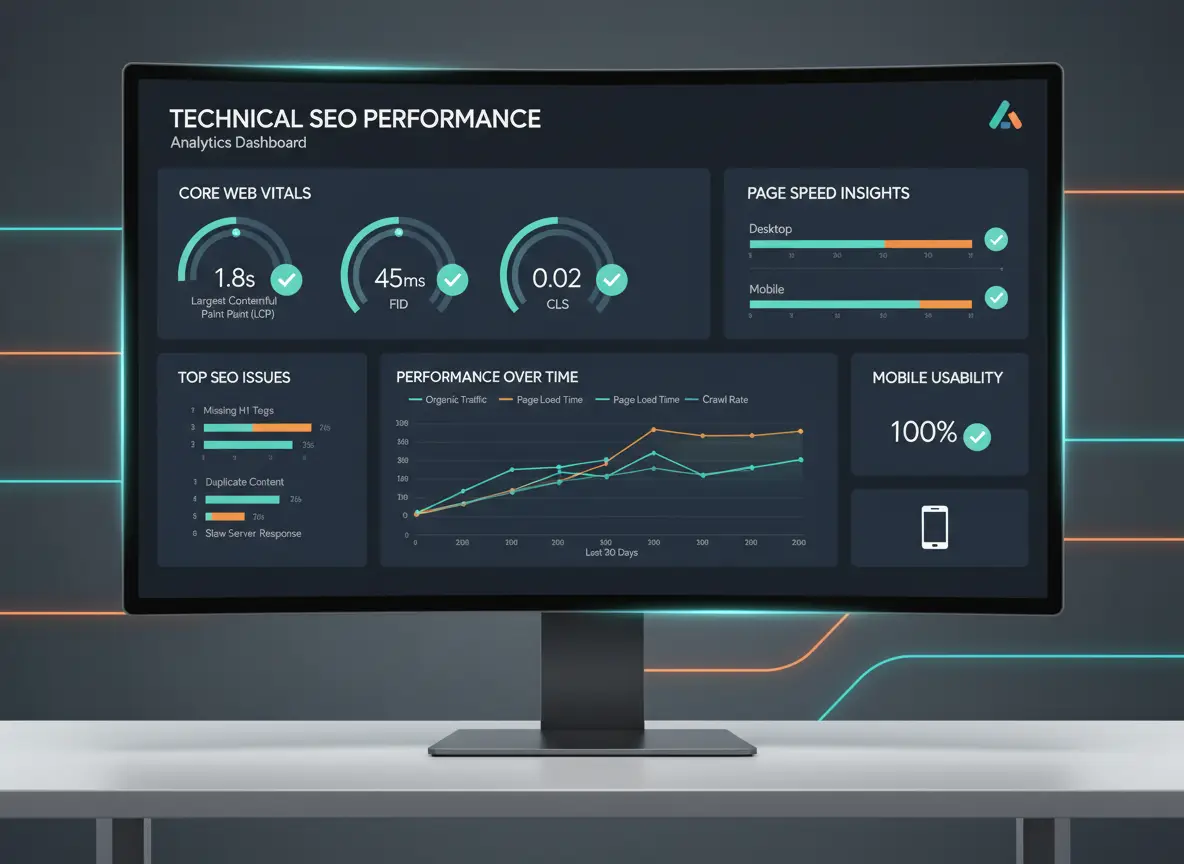
Site Speed Optimisation
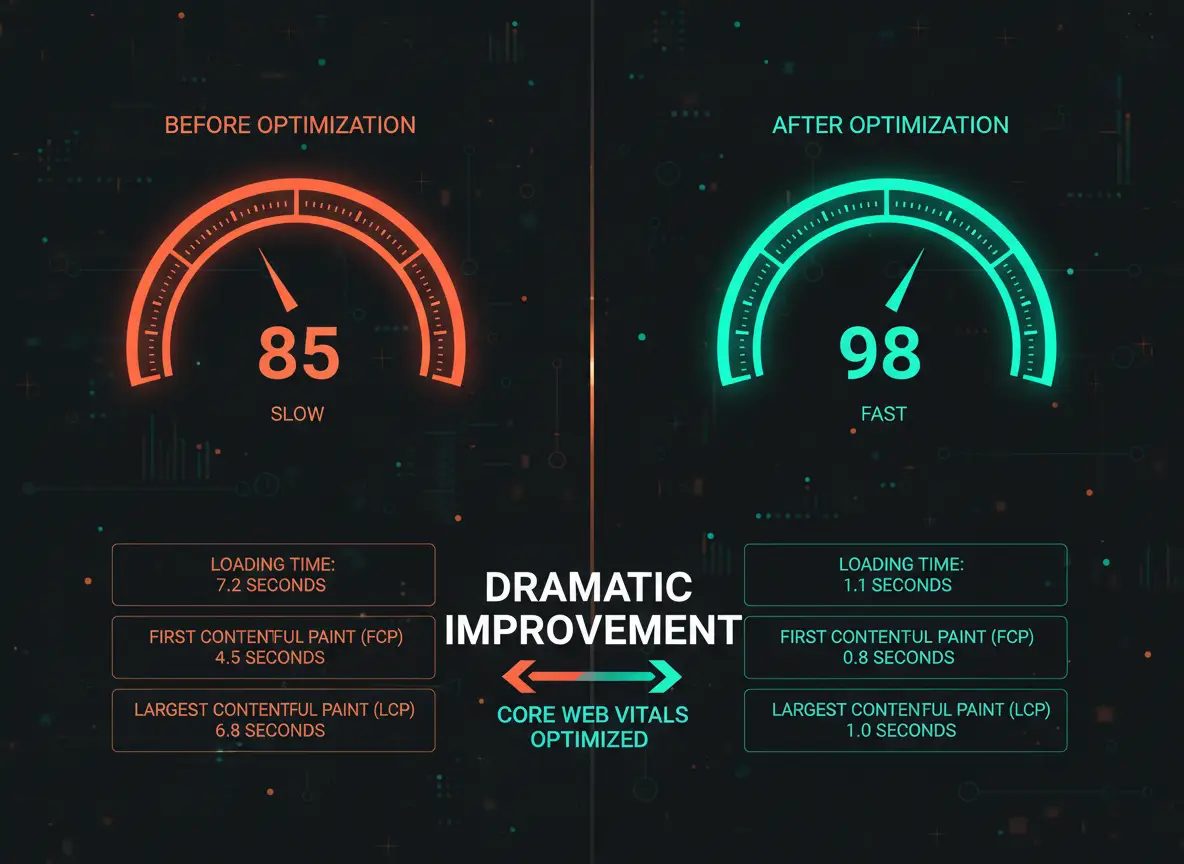
Page speed is a direct ranking factor. Google’s Core Web Vitals measure loading performance, interactivity, and visual stability. Sites loading under 3 seconds see:
- 70% lower bounce rates
- 35% higher conversion rates
- Significantly better search rankings
What developers must implement: – Image compression and lazy loading – Minified CSS, JavaScript, and HTML – Browser caching and CDN integration – Server response time optimisation – Efficient code architecture
Mobile-First Development
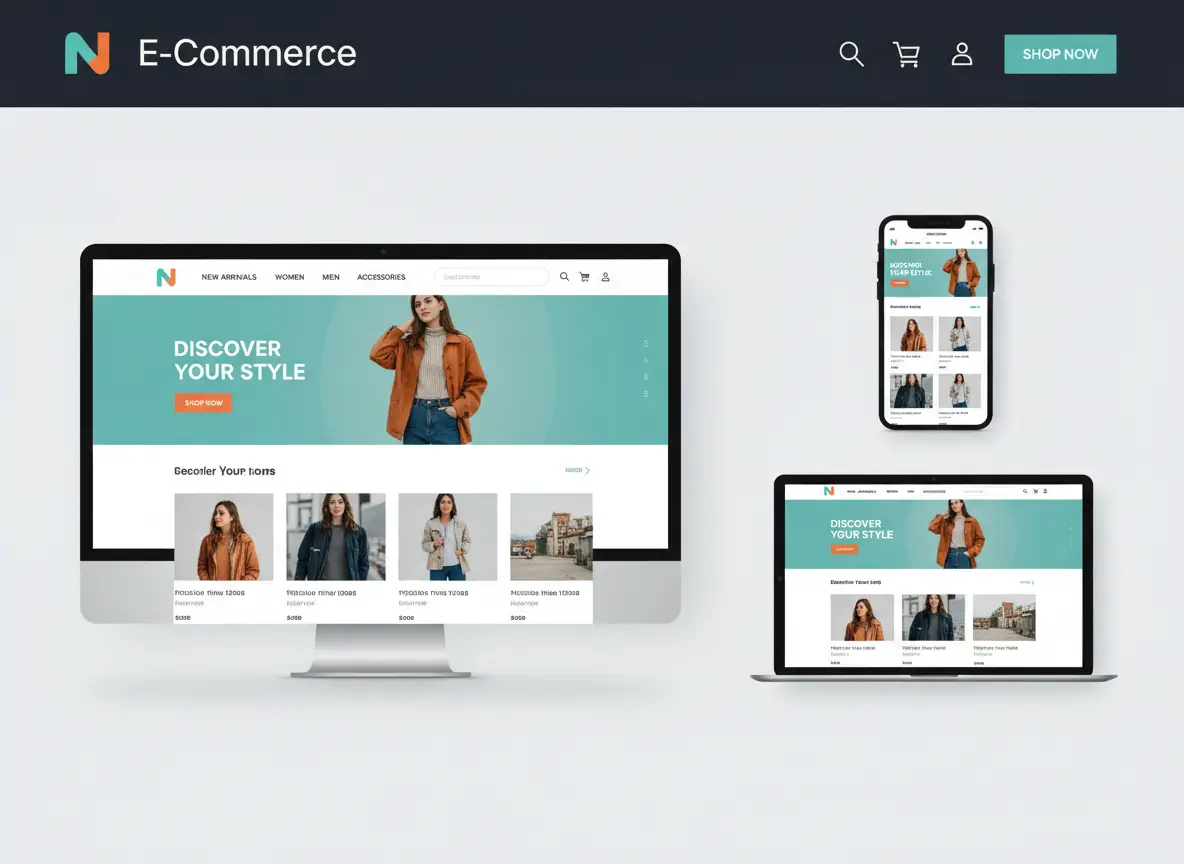
With 60%+ of searches happening on mobile, Google uses mobile-first indexing. Your site’s mobile version determines your rankings—not the desktop version.
Essential mobile optimisation: – Responsive design that adapts to all screen sizes – Touch-friendly navigation and buttons – Readable fonts without zooming – Fast mobile load times (under 2.5 seconds) – No intrusive interstitials or pop-ups
Clean Code Architecture

Search engine crawlers read your site’s code. Messy, bloated code confuses crawlers and hurts rankings.
Developer best practices: – Semantic HTML5 markup – Proper heading hierarchy (H1, H2, H3) – Schema markup for rich snippets – Clean URL structures – XML sitemaps and robots.txt files
Strategic Site Architecture: The SEO Blueprint
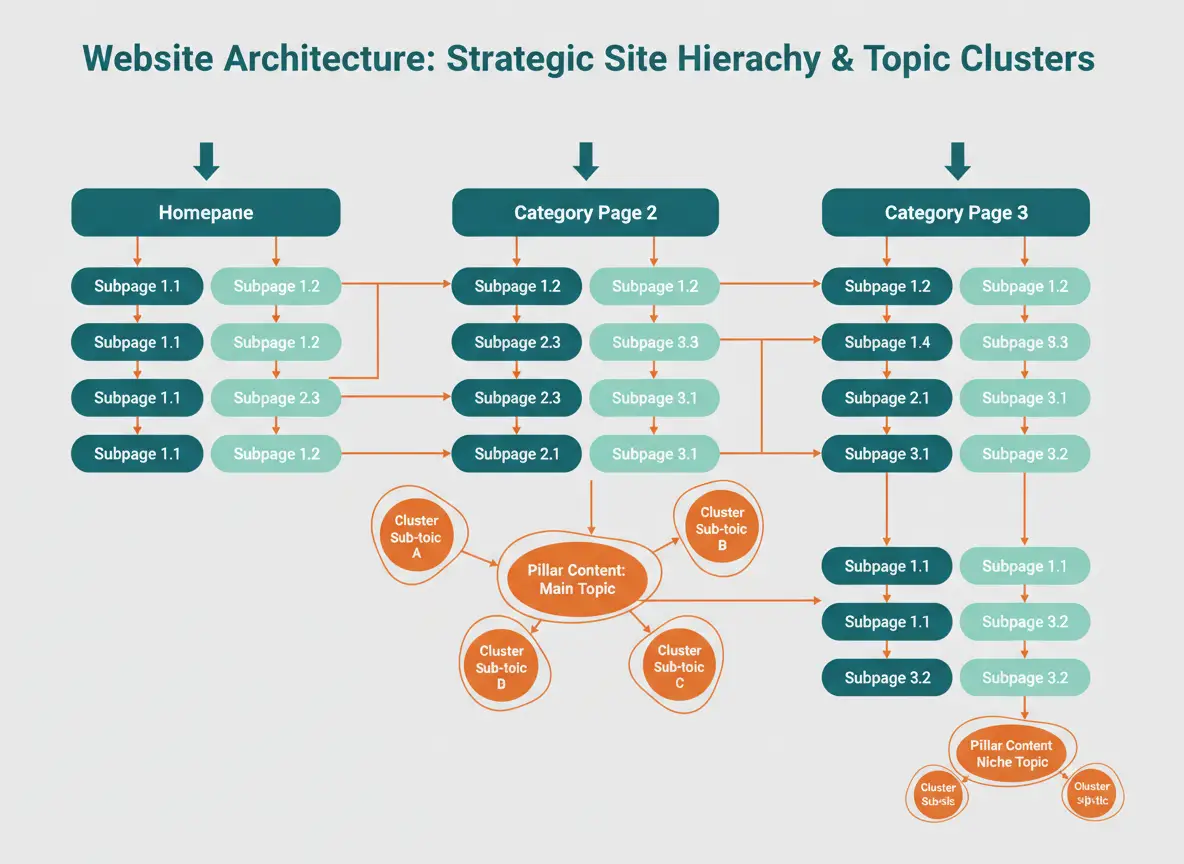
URL Structure and Site Hierarchy
Your site’s structure determines how search engines understand and rank your content. A logical hierarchy passes authority from your homepage to deeper pages.
Winning architecture principles: – Keep important pages within 3 clicks of homepage – Use descriptive, keyword-rich URLs – Implement breadcrumb navigation – Create topic clusters around pillar content – Avoid duplicate content issues
Internal Linking Strategy
Internal links distribute page authority and help search engines discover content. Strategic linking can boost rankings by 40-60%.
Effective internal linking: – Link from high-authority pages to new content – Use descriptive anchor text with target keywords – Create contextual links within content – Build hub pages that link to related content – Regularly audit and update broken links
Content Management Systems: Choosing SEO-Friendly Platforms
Not all CMS platforms are created equal for SEO. The right choice makes optimisation easier; the wrong one creates constant battles.
WordPress: The SEO Powerhouse
Why WordPress dominates: 43% of websites use WordPress because it’s inherently SEO-friendly with: – Clean permalink structures – Built-in XML sitemaps – Responsive themes – Extensive SEO plugins (Yoast, Rank Math) – Fast loading with proper optimisation
Headless CMS Options
Modern alternatives like Contentful, Strapi, and Contentstack offer: – Lightning-fast performance – Ultimate flexibility – API-first architecture – Enhanced security – Scalability for enterprise needs
Your developer should choose platforms that support technical SEO requirements without constant workarounds.
The Performance Trifecta: Speed, Security, and Stability
Core Web Vitals Optimisation
Google’s Core Web Vitals measure real user experience:
Largest Contentful Paint (LCP): Main content loads in under 2.5 seconds
First Input Delay (FID): Page responds to interactions in under 100ms
Cumulative Layout Shift (CLS): Visual stability score under 0.1
Sites meeting all three thresholds rank significantly higher than competitors.
HTTPS and Security
HTTPS is a ranking signal. Sites without SSL certificates face: – Lower search rankings – Browser security warnings – Lost customer trust – Reduced conversion rates
Regular Maintenance and Updates
Technical SEO isn’t set-and-forget. Regular maintenance includes: – Plugin and platform updates – Broken link audits – Security patches – Performance monitoring – Content freshness updates
Schema Markup: Speaking Google’s Language
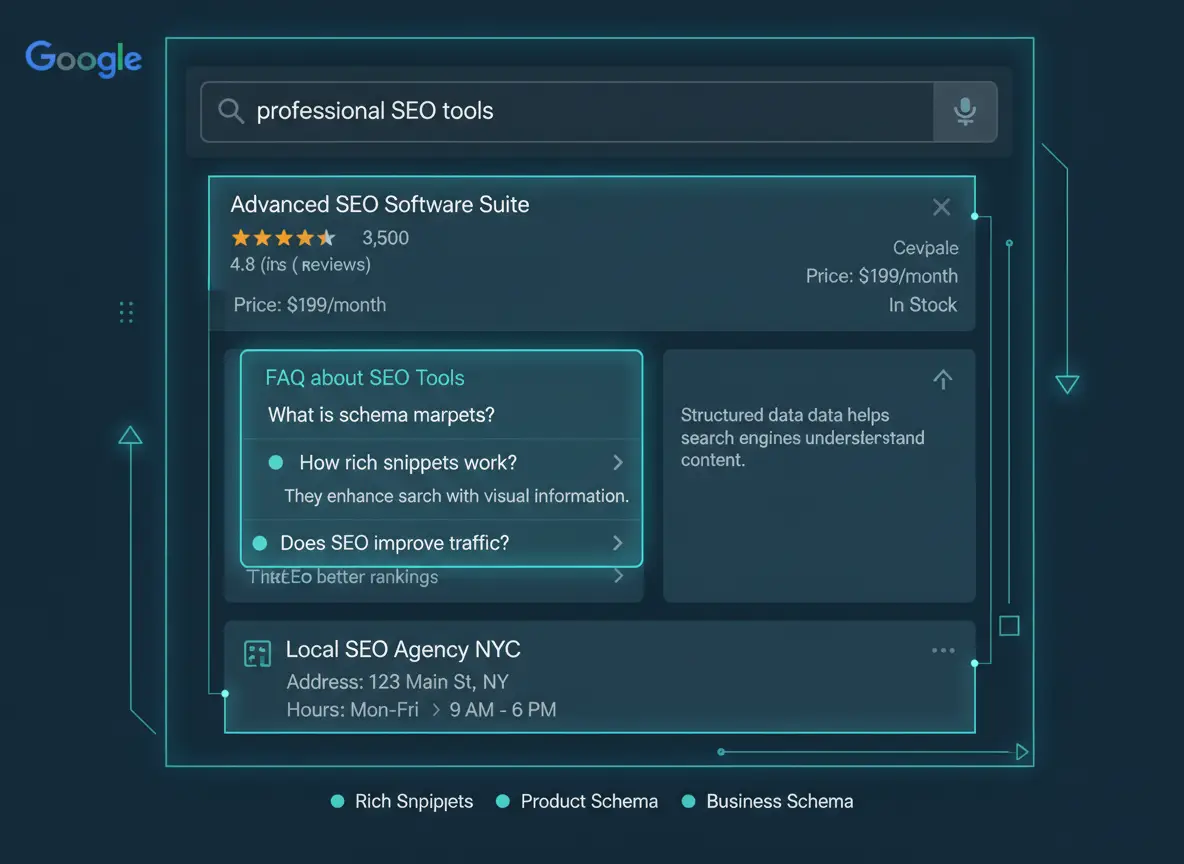
Schema markup and rich code snippets
Schema markup helps search engines understand your content, earning rich snippets that increase click-through rates by 20-30%.
Essential Schema Types
Local Business Schema: Name, address, phone, hours, reviews
Product Schema: Pricing, availability, ratings
Article Schema: Headlines, authors, publish dates
FAQ Schema: Questions and answers in search results
Review Schema: Star ratings in search listings
Developers should implement the schema during build, not as an afterthought.
Migration and Redesign: Protecting Your SEO Equity
Website redesigns often tank rankings—unless you plan properly.
Pre-Launch SEO Checklist
- Audit current rankings and traffic
- Map old URLs to new URLs (301 redirects)
- Preserve internal linking structure
- Maintain or improve page speed
- Test mobile responsiveness
- Verify schema markup implementation
- Submit the updated sitemap to Google
The cost of mistakes: One client lost 60% of organic traffic after a redesign without proper redirects. Recovery took 8 months and £15,000 in corrective work.
Measuring Success: Analytics and Reporting
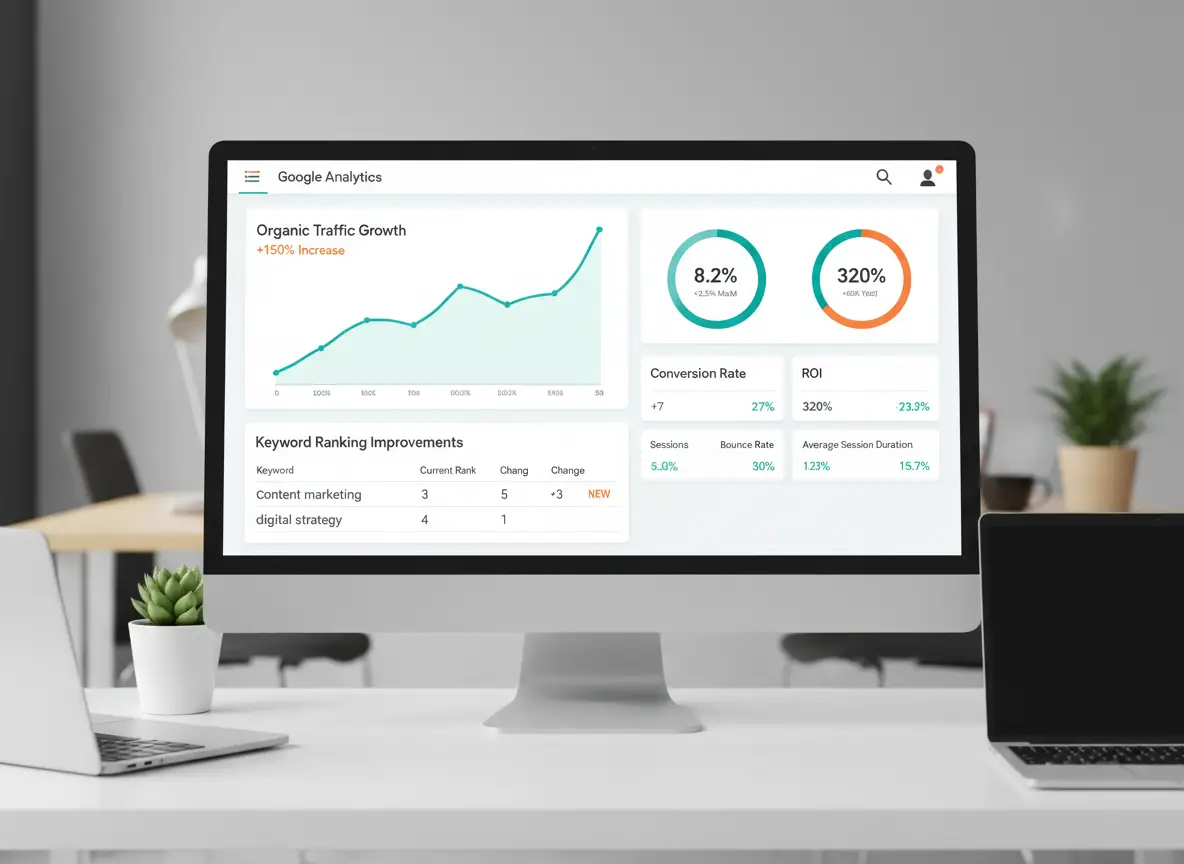
Integration success requires tracking the right metrics:
Key Performance Indicators
Technical Metrics: – Page load speed – Core Web Vitals scores – Mobile usability errors – Crawl errors and indexation
Business Metrics: – Organic traffic growth – Keyword rankings – Conversion rates – Revenue from organic search
Tools to use: Google Analytics 4, Google Search Console, PageSpeed Insights, Screaming Frog, SEMrush, Ahrefs
The Webxcell Approach: SEO-First Development
At Webxcell Digital, we build every website with SEO baked into the foundation—not bolted on later.
Our Integration Process
- Discovery Phase: SEO audit, competitor analysis, keyword research
- Planning Phase: Site architecture, URL structure, content strategy
- Development Phase: Clean code, mobile-first, speed optimisation
- Launch Phase: Schema markup, redirects, technical verification
- Growth Phase: Content creation, link building, ongoing optimisation
Real Results
Legal firm: 420% traffic increase in 6 months
E-commerce client: 225% conversion rate improvement
B2B SaaS: 350% more qualified leads from organic search
Getting Started: Your Action Plan
Ready to supercharge your online visibility? Here’s your roadmap:
- Audit your current site for technical SEO issues
- Identify quick wins (speed, mobile, schema)
- Plan strategic improvements with SEO and dev teams
- Implement changes systematically with proper testing
- Monitor results and iterate based on data
Work With Experts Who Get It Right
Don’t leave your online visibility to chance. At Webxcell Digital, we’ve helped dozens of UK businesses dominate their markets through integrated SEO and web development.
Get a free technical SEO audit and discover exactly what’s holding your site back. We’ll show you the roadmap to page-one rankings and measurable business growth.
📞 Book your consultation: Book Now
⚡ Fast response: We reply within 2 hours during business hours
🎯 Transparent pricing: No hidden fees, clear deliverables, measurable results
Final Thoughts
The businesses winning online aren’t choosing between SEO and web development—they’re integrating both from day one. This approach costs less, delivers faster results, and creates sustainable competitive advantages.
Your competitors are already doing this. The question isn’t whether to integrate SEO and web development—it’s whether you can afford not to.
Ready to dominate your market? Let’s build something remarkable together. Chat with us now